
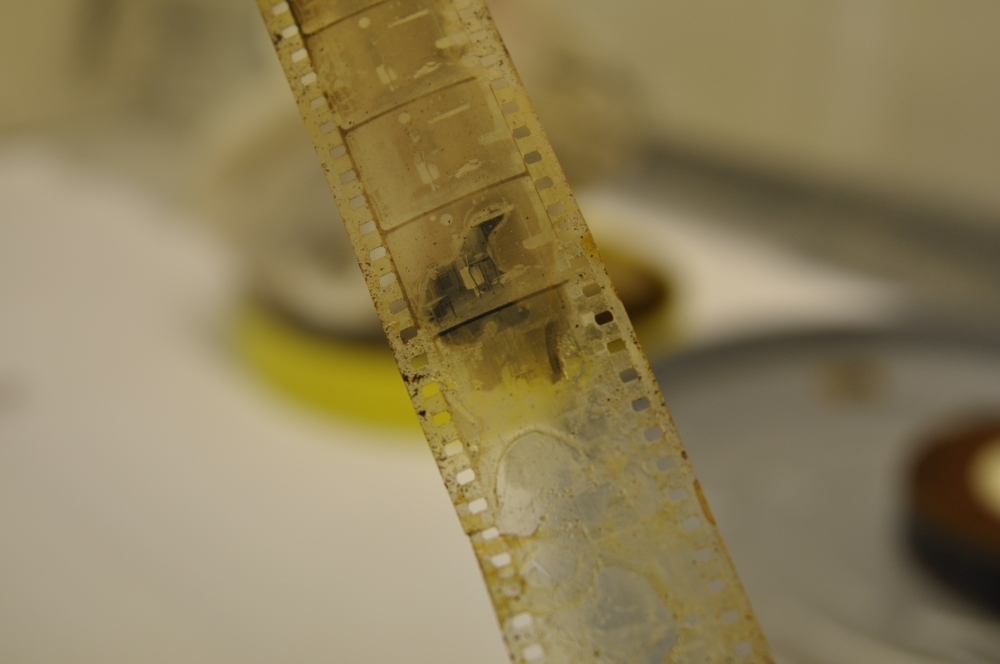
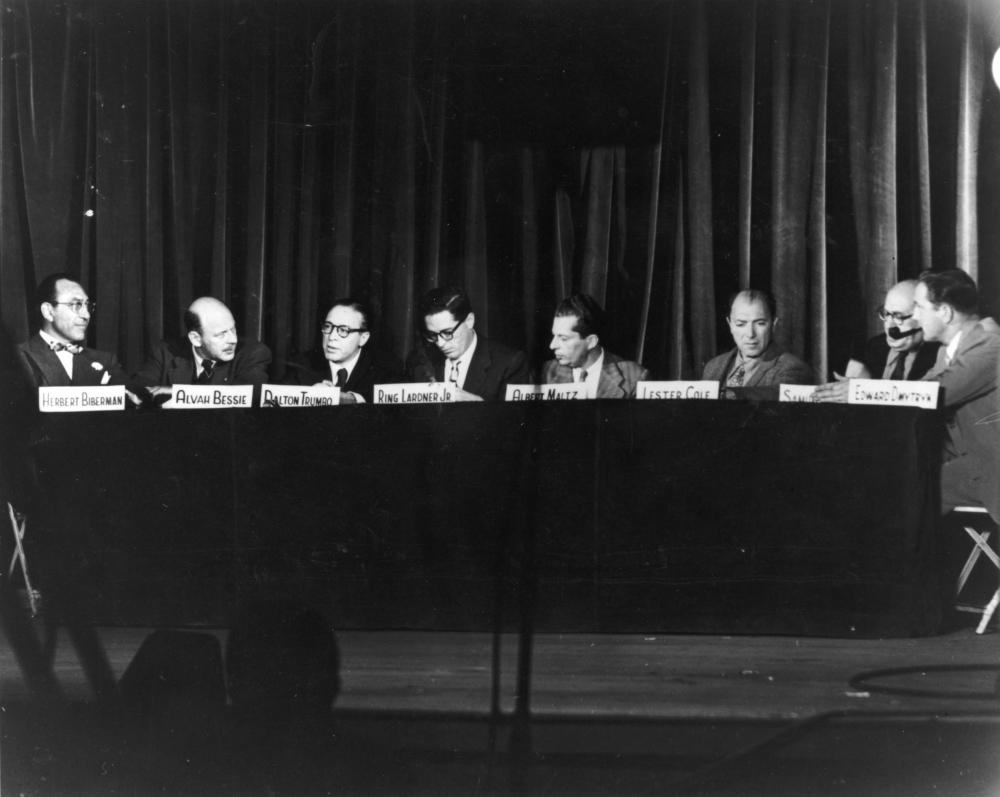
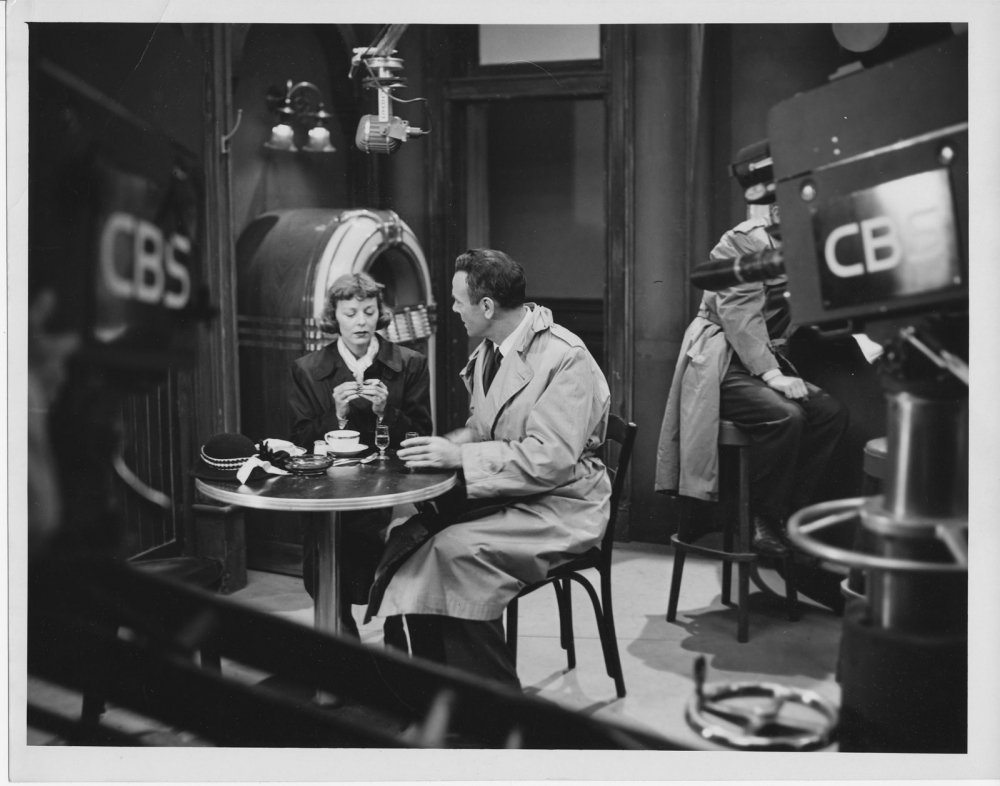
The Wisconsin Center for Film and Theater Research (WCFTR) is one of the world’s major archives of research materials relating to the entertainment industry. It maintains over three hundred collections from outstanding playwrights, television and motion picture writers, producers, actors, designers, directors, and production companies. Materials preserved include: historical records and personal papers, twenty thousand motion pictures, television shows, and videotapes; two million still photographs and promotional graphics; and several thousand sound recordings. It is richest in records of the American film industry between 1930 and 1960, American popular theater in the 1940s and 1950s, and American television from the 1940s to the 1970s.
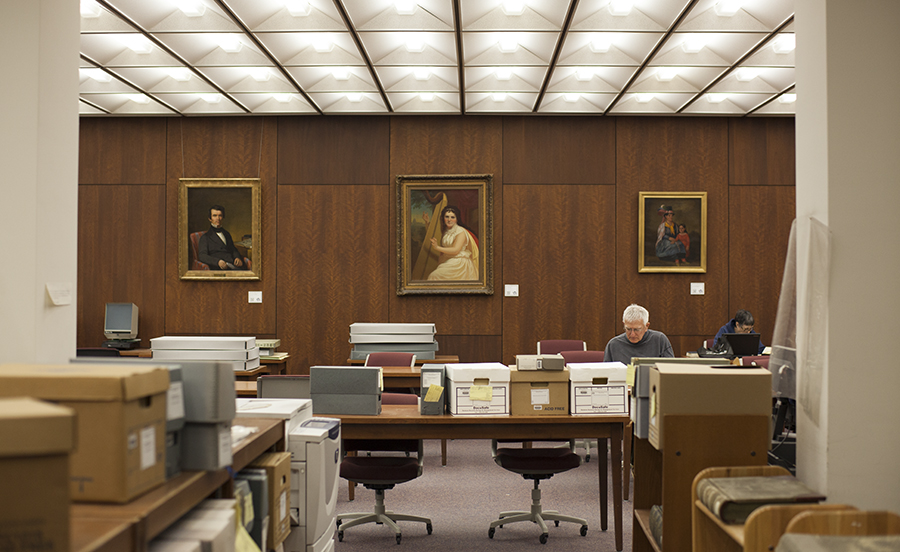
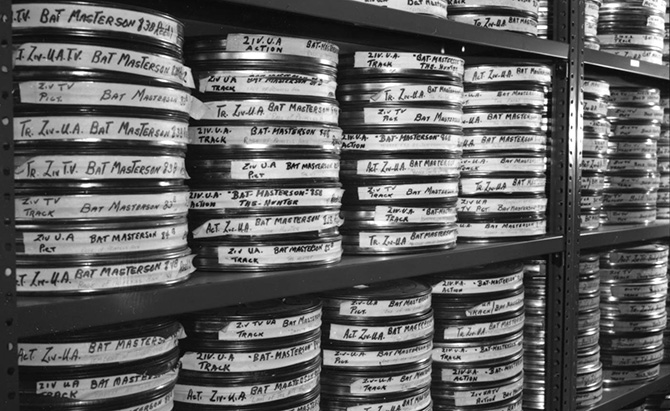
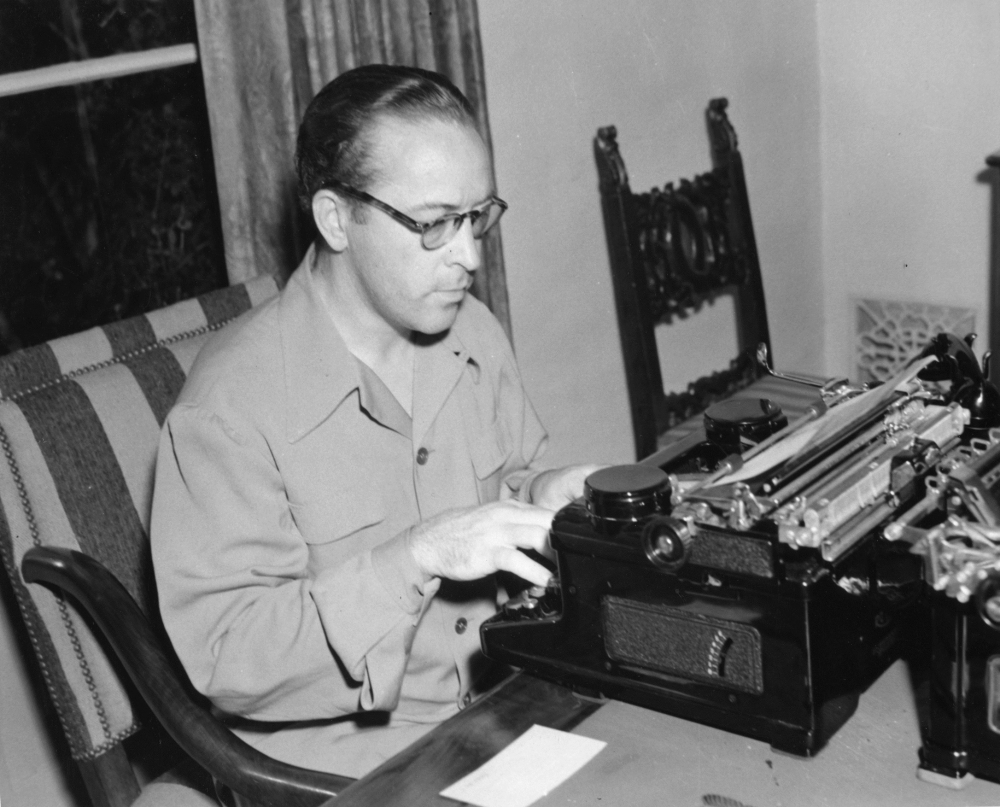
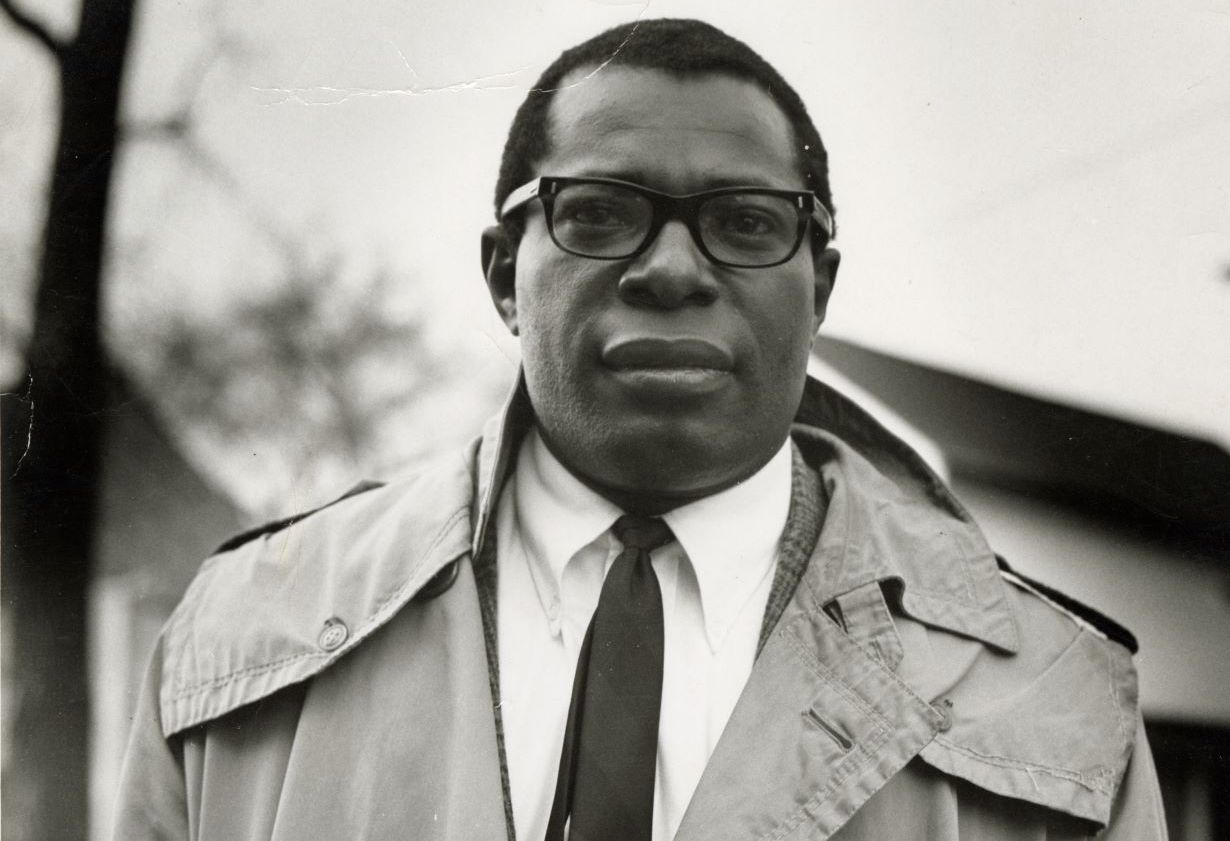
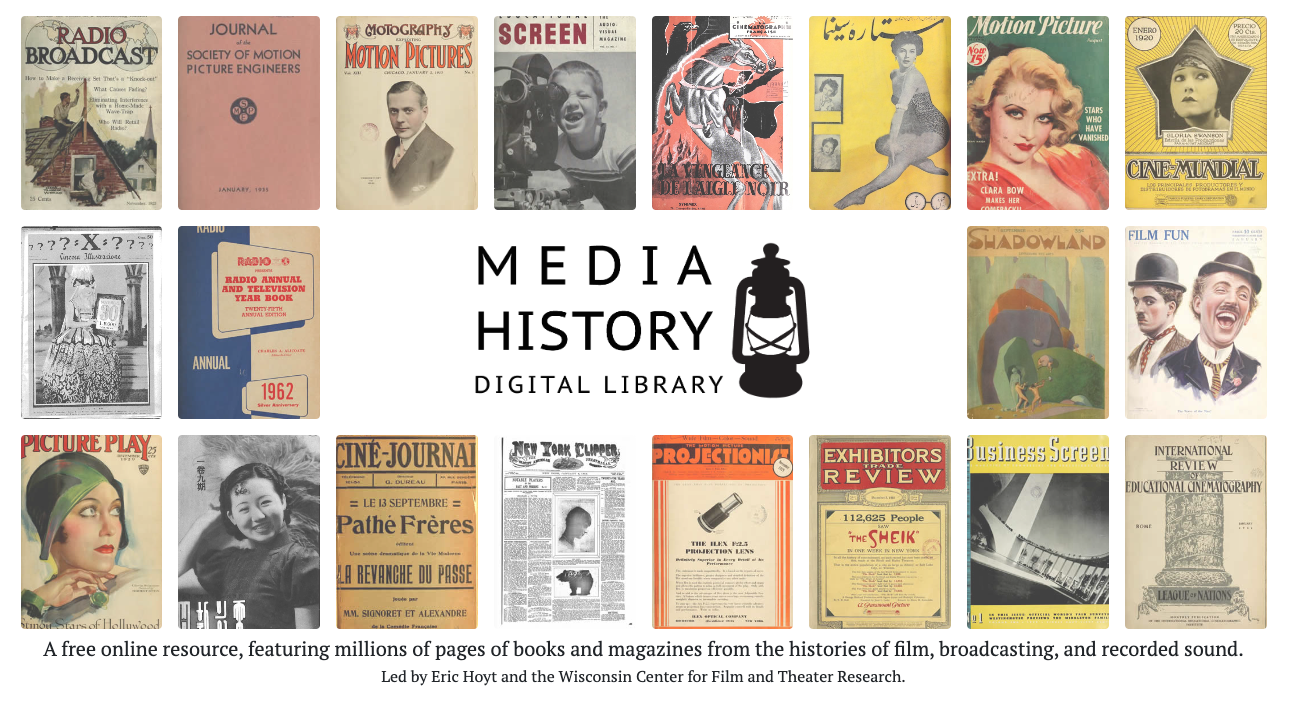
One of the most important gateways into understanding American culture is the original records of its creators, particularly in the field of drama and audiovisual media. Each year, hundreds of scholars from around the world, as well as creative artists and the interested public, consult our archives and produce important works that draw on the information and visual materials contained in our collections. Our staff can assist researchers looking for materials.
The WCFTR actively collects the papers and audiovisual materials of individual producers, directors, writers, actors, and other key personnel in the production of U.S. audio/visual/state culture.
Collecting areas we are most interested in developing:
- Film and television production records
- Independent producers, directors, and writers
- Collections with social action significance
- Innovators in the media field
Housed in the Wisconsin Historical Society’s Library-Archives Division, the WCFTR is one of the world’s most accessible archives and is regularly visited by researchers from around the world. Research undertaken in its collections has revolutionized the scholarship of American cinema, theater, and television.
The WCFTR is a participating member of FIAF, the International Federation of Film Archives, enabling us to borrow filmed material from major archives for UW Cinematheque screenings. The WCFTR, in turn, loans its prints for screenings at events organized or sponsored by other FIAF member archives. Both the UW Cinematheque and Communication Arts Department offer important outreach activities that draw on the Center’s collections and expertise. The WCFTR also partners with the UW School of Library and Information Studies to provide training opportunities for enrolled students in the Archives and Records Management for a Digital Age program.
For internship and volunteer opportunities, please contact staff.
UW Cinematheque + WCFTR
The Cinematheque represents UW-Madison academic departments and student film groups and is dedicated to showcasing the best in international cinema history and fine films which would otherwise never reach Madison screens. As the screening facility of the Wisconsin Center for Film and Theater Research (WCFTR) and a member of the International Federation of Film Archives (FIAF), the Cinematheque regularly showcases archival and other rare prints from around the world.
Upcoming Screenings
- April
- April 21UW Cinematheque - 2X: John Carpenter, Billy Wilder, Michael Mann, Jackie ChanDrunken Master II (Jui Kuen II) | Hong Kong | 1994 | DCP | 102 min. | Cantonese with English subtitles Director: Liu Chia-Liang7:00 PM, 4070 Vilas Hall
- April 22UW Cinematheque - 2X: John Carpenter, Billy Wilder, Michael Mann, Jackie ChanA Foreign Affair | USA | 1948 | 35mm | 116 min. Director: Billy Wilder7:00 PM, 4070 Vilas Hall
- April 28UW Cinematheque - 2X: John Carpenter, Billy Wilder, Michael Mann, Jackie ChanPolice Story III: Supercop | Hong Kong | 1992 | DCP | 96 min. | Cantonese with English subtitles Director: Stanley Tong7:00 PM, 4070 Vilas Hall
Recent Blog Posts
Writer in Action: The Alvin Boretz Collection
Samantha Janes The Wisconsin Center for Film and Theater Research (WCFTR) is proud to announce the online launch of Writer in Action: The Alvin Boretz Collection. The Alvin Boretz collection documents the life and writings …
March 22, 2024Honoring David Bordwell, game-changing film historian and leader for the WCFTR
By Eric Hoyt At the WCFTR, we are grieving the loss of one of our leaders and dear friends. David Bordwell, emeritus professor of Film, passed away last week at his home in Madison, Wisconsin. …
March 3, 2024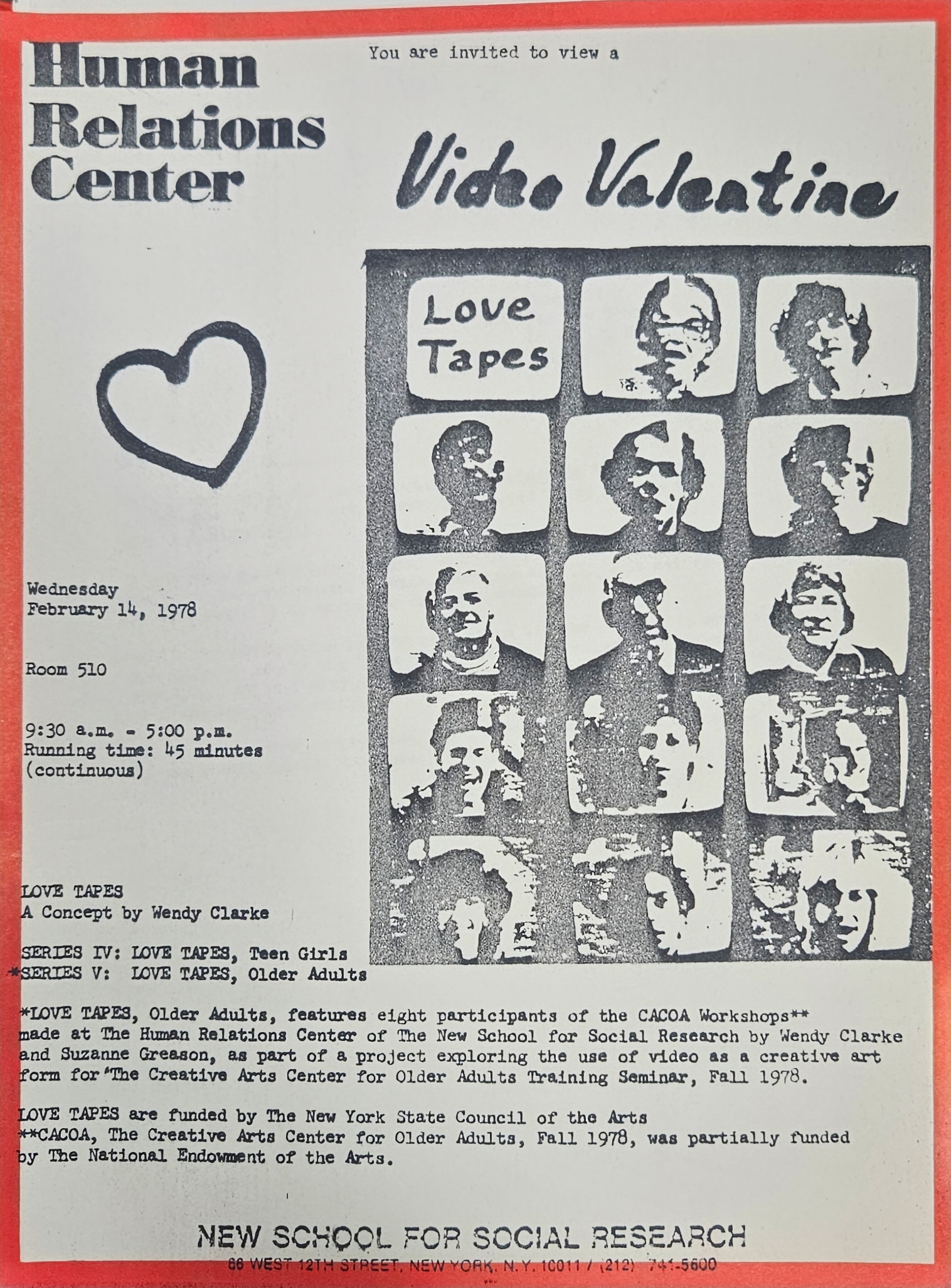
Celebrating Valentine’s Day All Month Long with Wendy Clarke’s Love Tapes
Ashton Leach The snow outside is melting and hearts are growing warmer as Valentine’s Day quickly approaches. The Wisconsin Center for Film and Theater Research is overjoyed to join in the love-filled season by sharing …
February 10, 2024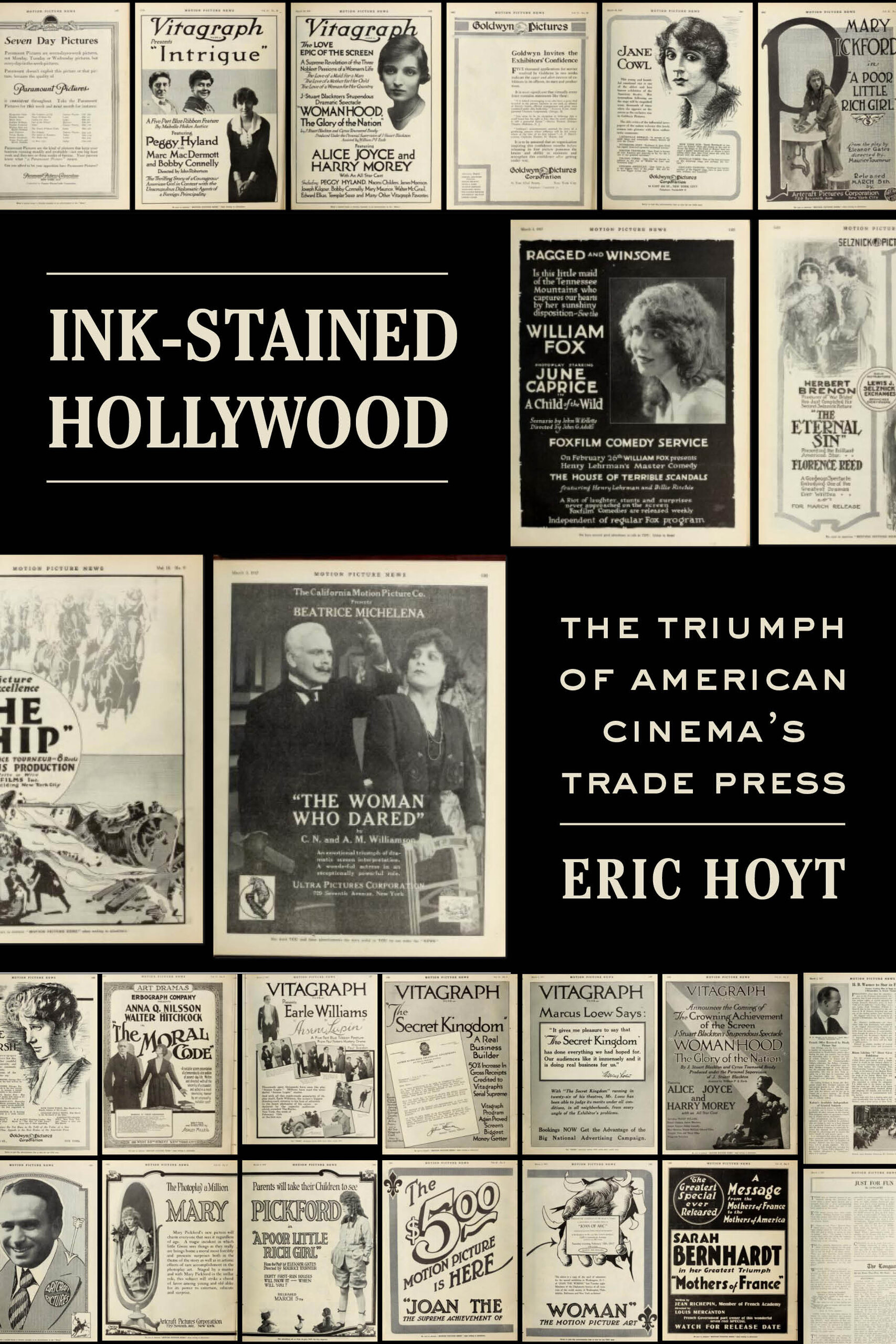
Ink Stained Hollywood recognized by the Theatre Library Association
Ben Pettis Everyone here at the WCFTR is incredibly excited to learn that our very own Eric Hoyt has been recognized with an exciting award from the Theatre Library Association (TLA). His most recent book, Ink-Stained …
October 20, 2023WCFTR, now on laserdisc!
Matt St. John The audiovisual holdings at the Wisconsin Center for Film and Theater Research span numerous formats and sizes, from 16mm film prints to 2-inch videotapes, and we recently welcomed laserdiscs into the fold! …
September 18, 2023- See more
Follow us on Social Media!
- Mastodon: @wcftr@hcommons.social
- Facebook: facebook.com/wicenterforfilmandtheaterresearch
- Instagram: @wcftr_archive
- Letterboxd: https://letterboxd.com/wcftr/